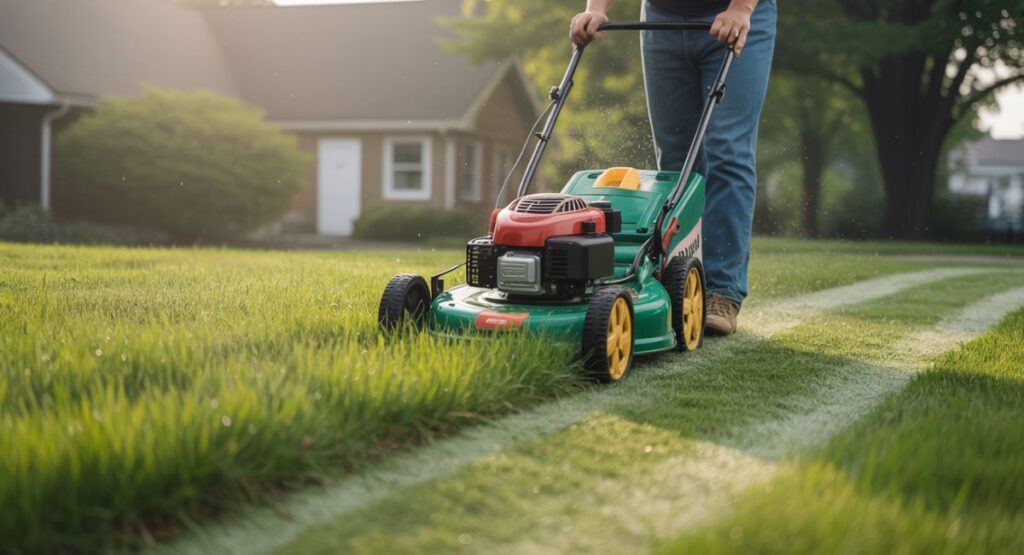
Is it okay to mow the grass when wet is a common question many homeowners face, especially after morning dew or rain showers. While mowing wet grass might seem harmless, it can actually lead to a range of problems like uneven cuts, mower clogging, and even damage to your lawn.
Many lawn care experts recommend waiting until the grass is dry to protect both your yard and equipment. However, sometimes waiting isn’t an option, and knowing how to safely mow in damp conditions becomes essential. In this article, we’ll explore the risks, benefits, and expert tips to help you maintain a healthy lawn without compromising safety or quality.
Why Is Mowing Wet Grass a Concern?
Before answering is it okay to mow the grass when wet, it’s important to understand why wet conditions pose challenges to both your lawn and mower.
1. Uneven Cuts and Grass Damage
When grass is wet, the blades tend to bend or stick together under the weight of the water. This means that when you run a mower over them, the blades may not cut cleanly. Instead, the mower tears or rips the grass rather than slicing it neatly, which can cause your lawn to look patchy and uneven.
Lawn care experts and many homeowners report that mowing wet grass often results in a ragged appearance, and sometimes it takes multiple passes once the grass dries to get a clean look.
2. Risk of Lawn Diseases
Wet conditions encourage the growth of fungi and other pathogens that cause lawn diseases such as brown patch, dollar spot, and rust disease. When you mow wet grass, the tearing of blades creates entry points for these diseases. Additionally, clippings of wet grass can stick to your mower blades and spread spores across your lawn, increasing the chances of infection.
You can read more about common lawn diseases and how to prevent them here.
3. Soil Compaction
Wet soil is softer and prone to compaction from the weight of your mower. This compaction squeezes air and water out of the soil pores, which is harmful to grass roots. Compacted soil inhibits root growth, nutrient absorption, and water drainage — all essential for a healthy lawn.
Using a heavy mower, especially a riding mower, on wet soil increases the risk of ruts and long-lasting soil damage.
4. Mower Damage and Clogging
Wet grass clumps easily, which can clog your mower deck and discharge chute. This forces the mower engine to work harder, potentially overheating it or causing mechanical damage. For electric mowers, the risk is even higher since they generally have less power than petrol models.
Pros and Cons of Mowing Wet Grass
While the risks might make you hesitant, sometimes mowing wet grass is unavoidable. Here are some pros and cons of mowing wet grass to help you weigh your options.
Pros:
- Keeps tall grass from becoming unmanageable.
- Maintains lawn aesthetics when dry mowing isn’t possible soon.
- Prevents grass from overshadowing other plants or fostering weed growth.
- Helps keep your lawn mowing schedule consistent, especially during wet seasons.
Cons:
- Uneven cuts and a messy lawn appearance.
- Increased risk of fungal diseases and infections.
- Soil compaction and damage, especially with heavy mowers.
- Increased mower wear and tear.
- Safety risks due to slippery conditions.
Can You Cut the Grass When It’s Wet with an Electric Mower?
This is one of the most common questions for homeowners with electric mowers. The short answer is yes, but with caution.
Electric mowers generally have less torque and power than petrol mowers, which means cutting wet grass with an electric mower can be more challenging. Wet clippings can clog the blades and motor housing faster, increasing the risk of overheating or stalling.
If you must use an electric mower on damp grass:
- Avoid using corded electric mowers in wet conditions due to electrical hazards.
- Use a cordless mower rated for wet or damp conditions.
- Keep the mower deck clean and free of grass buildup.
- Mow slowly and make multiple passes rather than trying to cut everything in one go.
If your grass is soaked or heavily clumped, it’s better to wait until it dries.
How to Mow Wet Grass Without Clogging Your Mower
If waiting isn’t an option and you find yourself asking how to mow wet grass without clogging, these practical tips will help:
- Sharpen Your Mower Blades
Sharp blades cut cleanly, reducing tearing and clumping. - Raise Your Mowing Height
Wet grass is heavier, so setting the mower to a higher cutting height prevents scalping and mower strain. - Mow Slowly
Slow and steady cuts reduce clumps and improve blade efficiency. - Use Side Discharge or Bagging (Empty Often)
Avoid mulching wet grass as it clogs quickly. Side discharge lets clippings flow freely, while bagging helps collect clumps but requires frequent emptying. - Clean the Mower Deck Frequently
Stop regularly to remove stuck grass to prevent clogs and overheating. - Apply a Mower Deck Spray
Silicone-based sprays can prevent wet grass from sticking under the deck. - Avoid Sharp Turns
Gentle turns minimize tearing and damage to the turf.
Can You Cut Grass with Morning Dew?
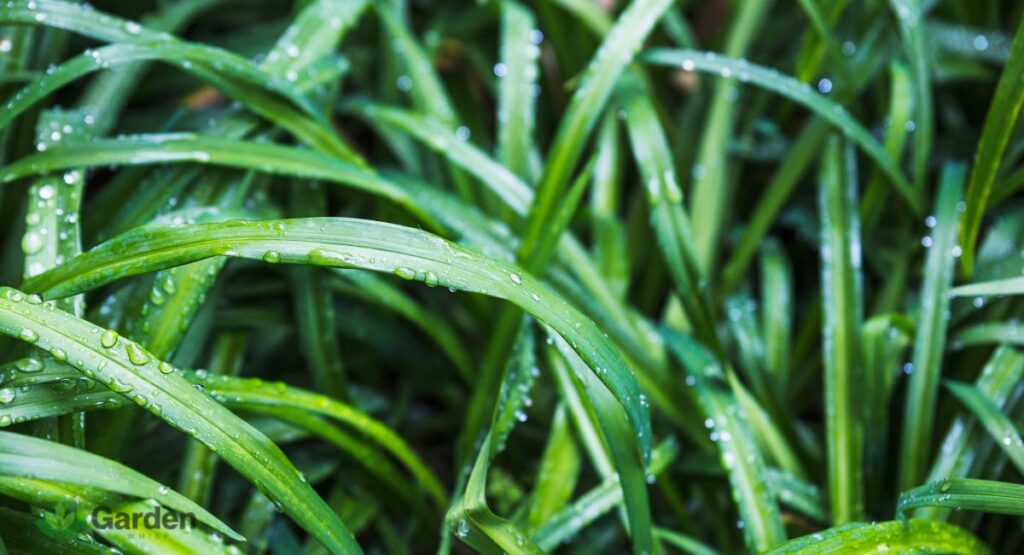
Morning dew creates a thin layer of moisture on grass blades. While not as heavy as rain, it still affects mowing quality.
You can cut grass with morning dew, but you should take precautions:
- Use sharp blades.
- Mow slower than usual.
- Avoid bagging to prevent clogs.
- If the dew is heavy, consider waiting an hour or two until it evaporates.
Cutting during heavy dew can still tear grass and spread fungal spores, so early morning mowing should be done carefully.
Can You Cut Wet Grass with Petrol Mower?
Petrol mowers are generally more powerful and better suited to mowing wet or thick grass. If you’re wondering, can you cut wet grass with a petrol mower? the answer is usually yes, with fewer risks of clogging and stalling than with electric mowers.
However, avoid extremely soggy conditions to prevent soil damage and mower strain. Also, keep the mower blades sharp and the deck clean for best results.
Can You Mow Wet Grass with a Riding Mower?
Riding mowers are heavy, making them tricky to use on wet lawns. So the question, can you mow wet grass with a riding mower? depends on the soil condition.
- On slightly damp grass, riding mowers can be effective and save time.
- On saturated or soft ground, riding mowers can cause deep ruts, soil compaction, and long-term lawn damage.
If you must use a riding mower on wet grass, mow slowly, avoid sharp turns, and stay off soggy spots.
Real-Life Advice from Mowing Wet Grass Reddit
The lawn care community on Reddit is full of practical experiences. Popular advice shared on mowing wet grass reddit includes:
- “Always wait if you can. The lawn looks better, and you save your mower.”
- “When mowing wet grass, take your time and set your mower blade higher than usual.”
- “A petrol mower generally performs better when cutting through wet grass.”
- “Keep your blades sharp and clean your deck frequently.”
- “Avoid electric mowers for wet or heavily damp lawns.”
Many users agree that while mowing wet grass isn’t ideal, it’s sometimes unavoidable — but preparation and technique make all the difference.
Tips to Protect Your Lawn and Mower When Mowing Wet Grass
If you decide to mow your lawn when it’s wet, here are some expert tips:
- Wear Non-Slip Shoes: Safety first! Wet grass can be slippery.
- Use Sharp Blades: Sharp blades cut cleanly and reduce mower strain.
- Raise the Cutting Height: Don’t scalp the grass.
- Slow Your Pace: Give the mower time to do its job.
- Empty the Bag Often: Wet clippings are heavy.
- Clean Your Mower Deck After Use: Prevent buildup and corrosion.
- Aerate Your Lawn After Wet Mowing: Helps relieve compaction caused by mowing on soft soil.
Conclusion: Should You Mow Wet Grass?
So, is it okay to mow the grass when wet? As we’ve thoroughly explored, while it’s technically possible, it’s far from ideal. Mowing wet grass can damage your lawn’s health, shorten your mower’s lifespan, waste your time and resources, and even put you at risk of injury.
However, life isn’t always perfect, and sometimes you genuinely have no choice but to tackle that wet grass. When that happens, remember everything we’ve covered in this guide:
- Wait until the grass is fully dry before mowing
- Prepare both your lawn and your mower properly
- Use sharp blades and raised cutting height
- Mow slowly with proper technique
- Clean your equipment thoroughly afterward
- Keep an eye on your lawn for any signs of damage or disease.
Most importantly, consider investing in solutions that reduce or eliminate the problem altogether. Whether it’s boosting your lawn’s drainage, selecting grass types that thrive in wet conditions, or using a robotic mower designed to manage regular, light trims no matter the weather, there are strategies to simplify and improve your lawn care routine.
Remember, your lawn is an important investment in your home’s appearance and value. By making thoughtful choices about when and how you mow, you’ll keep your grass healthy and vibrant for years—rain or shine.
Ready to upgrade your lawn care routine? Consider exploring modern mowing solutions that take the guesswork out of mowing wet grass. Your future self—and your grass—will thank you for it!
Frequently Asked Questions:
How bad is it to mow when grass is wet?
Mowing when grass is wet isn’t ideal, but it’s not always disastrous. Wet grass tends to bend instead of standing upright, which leads to an uneven cut. It can also clump under the mower, strain the engine, and damage your lawn by compacting the soil. If done occasionally and carefully, the damage is usually minor, but making it a habit can weaken your lawn over time.
Is October too late to mow?
October is not too late to mow in most regions, as long as the grass is still growing. Cool-season grasses often continue growing well into fall. The key is to stop mowing once grass growth slows significantly or after the first hard frost. Cutting too late can stress the lawn before winter dormancy.
How long should you let grass dry before mowing?
Ideally, you should wait at least 12–24 hours after rain before mowing. Drying time depends on sunlight, wind, temperature, and soil type. A simple test is to walk across the lawn—if your footsteps leave visible marks or the grass feels damp and heavy, it’s better to wait longer.
Can I use a lawn mower when the grass is wet?
Yes, you can use a lawn mower on wet grass, but it should be done with caution. Wet conditions increase the risk of slipping and mower clogging. Petrol-powered mowers generally handle wet grass better than electric or corded models. Always mow slowly, raise the cutting height, and avoid mowing on slopes when the grass is wet.