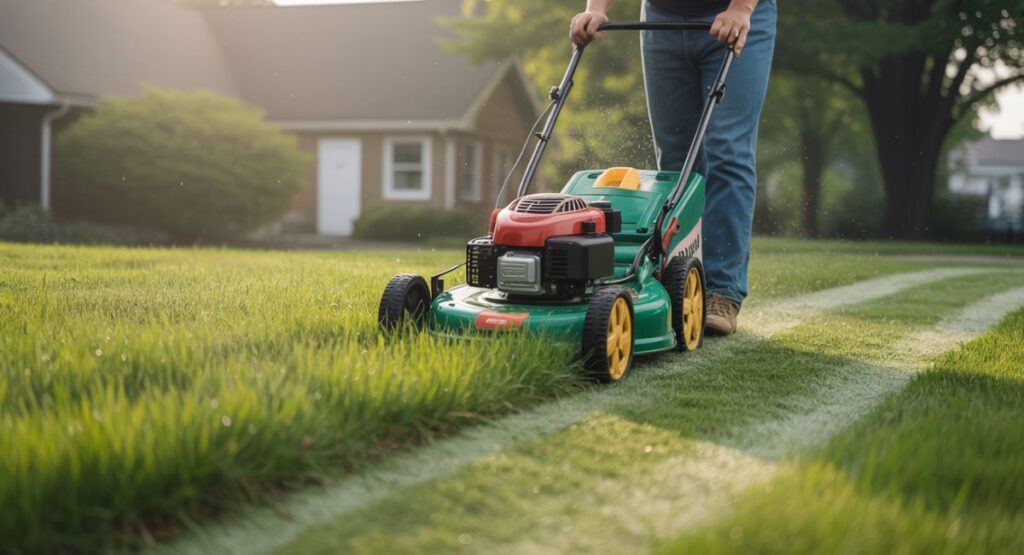
We’ve all been there – staring out the window at a soggy lawn that desperately needs trimming, wondering if we should risk it. Can you cut wet grass without destroying your yard or breaking your mower? Here’s the truth that might save you from a costly mistake: while it’s technically possible to mow damp turf, doing so could trigger a cascade of problems you never saw coming.
From disease outbreaks that turn your green paradise into a patchy nightmare, to mower damage that’ll have you shopping for replacements, the risks are real. But what if it’s been raining for days and your grass looks like a jungle? Don’t panic. In this guide, I’ll reveal exactly when wet grass mowing is acceptable, which equipment can handle the challenge, and the critical steps that separate lawn heroes from backyard disasters. Your lawn care reputation depends on knowing these secrets.
Why Is Mowing Wet Grass a Bad Idea?
Before we dive into the solutions, let’s talk about why cutting damp grass creates problems in the first place. Understanding the “why” will help you make better decisions for your lawn.
Your Grass Gets a Bad Haircut
When grass is wet, something interesting happens. The water weighs down the blades, making them bend over and clump together. Imagine trying to cut hair that’s soaking wet and lying flat against someone’s head – you’re not going to get an even trim, right?
The same principle applies to your lawn. When your mower blades pass over wet grass, instead of making clean cuts, they tend to tear the grass unevenly. This tearing creates ragged edges that make your lawn look patchy and unkempt. Moreover, once the grass dries and stands back up, all those uneven spots become even more noticeable.
I learned this from personal experience one summer. I had a family gathering planned for the afternoon, and I wanted the yard to look perfect. However, there was still morning dew covering the grass when I started mowing at 7 AM. After finishing, I felt proud – until about noon when the grass dried. My lawn looked like it had been cut by someone wearing a blindfold! I ended up having to mow the lawn again, wasting precious time I could’ve spent preparing for my guests.
Hello, Lawn Diseases
Here’s something that surprised me when I first learned about proper lawn maintenance: mowing wet grass significantly increases your chances of spreading lawn diseases across your yard.
When you mow damp grass, those torn blade edges we talked about? They become entry points for pathogens. Additionally, wet conditions are like a welcome mat for fungal growth. You’re essentially creating the perfect storm for diseases like:
- Red thread: Creates reddish-pink patches that look like your lawn caught a cold
- Dollar spot: Small, silver-dollar-sized spots of bleached grass
- Brown patch: Dark, circular areas that can spread quickly
- Rust disease: Orange or yellowish spots on individual grass blades
Furthermore, wet grass sticks to your lawn mower like glue. If there are disease spores present, your mower becomes a delivery vehicle, spreading those problems all across your yard as you work.
Your Mower Takes a Beating
Let’s talk about what happens to your trusty lawn mower when you force it to cut wet grass. Spoiler alert: nothing good.
First, wet grass clippings clump together and clog up your mower’s deck, discharge chute, and blade area. This blockage makes your mower engine work overtime, potentially causing it to overheat or even break down completely.
Second, moisture is the enemy of metal. Those wet clippings stuck to your mower can cause rust and corrosion on the blades and other metal components. Over time, this leads to expensive repairs or the need to replace your mower altogether. Trust me, a new mower costs way more than the patience required to wait for dry grass!
Safety Becomes a Real Concern
Here’s the serious part: mowing wet grass can be downright dangerous. Slippery grass transforms your yard into a potential accident zone, especially if you have any slopes or hills in your landscape.
According to the U.S. Consumer Product Safety Commission, over 250,000 people were treated for lawn mower-related injuries in a single year. Many of these accidents happen because of slippery conditions. Additionally, if you’re using an electric lawn mower with an extension cord, mixing water and electricity creates a serious shock hazard.
Soil Compaction and Ugly Ruts
When your lawn is wet, the soil becomes soft and vulnerable. Running a heavy mower over it causes soil compaction, which is basically squeezing all the air pockets out of the dirt. This suffocates your grass roots by cutting off their oxygen supply.
Even worse, you might create wheel ruts – those annoying grooves that make your lawn look like a muddy parking lot. These ruts don’t just look bad; they create drainage problems and make future mowing more difficult.
Can You Cut Wet Grass With an Electric Mower?
The honest answer? You shouldn’t. Electric mowers, especially corded models, pose a serious electrical hazard when used in wet conditions. Combining water and electricity is always risky.
Even battery-powered electric mowers struggle with wet grass because they typically have less torque than gas-powered models. The motor works harder, drains the battery faster, and you still end up with a poor-quality cut.
My neighbor learned this lesson when his corded electric mower sparked and died mid-cut on a dewy morning. The repair cost was nearly as much as buying a new mower! If you absolutely must mow and only have an electric mower, wait until the grass is just slightly damp, not soaking wet.
Can You Cut Wet Grass With a Petrol Mower?
Gas-powered mowers handle wet grass better than their electric counterparts. They have more power and torque to push through damp conditions without bogging down. However, that doesn’t mean it’s a good idea.
A petrol mower with a high-powered engine can muscle through wet grass, but you’ll still face all the other problems we discussed – uneven cuts, disease spread, and potential damage to your lawn. The key advantage is that gas mowers are less likely to stall or overheat when dealing with thick, wet clippings.
If you must use a gas mower on wet grass, choose one with at least 150cc engine displacement and follow the precautions we’ll cover later in this guide.
Can You Cut Wet Grass With a Riding Lawn Mower?
Riding mowers have powerful engines that can handle thick, wet grass better than walk-behind models. Their larger cutting decks and higher horsepower make them seem like the perfect solution for wet conditions.
However, here’s the catch: their weight is a major problem. A heavy riding lawn mower causes more severe soil compaction and creates deeper wheel ruts on wet ground. If your lawn is genuinely soaked, a riding mower can do serious damage that takes months to repair.
Zero-turn mowers, while incredibly maneuverable, are even heavier and can spin your turf into a muddy mess when conditions are wet. Some newer models with wider tires distribute weight better, but it’s still risky.
Can You Cut Wet Grass With a Strimmer?
A strimmer (or string trimmer/weed eater) actually handles wet grass better than traditional mowers in some ways. Since it uses a rotating nylon string rather than a blade, it’s less prone to clogging.
The trimmer’s cutting action works by impact rather than shearing, which means it can whip through wet grass without the same binding issues. However, wet grass clippings will stick to everything – your clothes, shoes, face, and the trimmer itself. You’ll look like you’ve been rolling in your lawn!
Strimmers work best for edging and touch-ups rather than mowing entire lawns, whether wet or dry. If you have a small patch that desperately needs trimming after rain, a strimmer can get the job done with less drama than a full-sized mower.
Can You Cut Wet Grass With a Flymo?
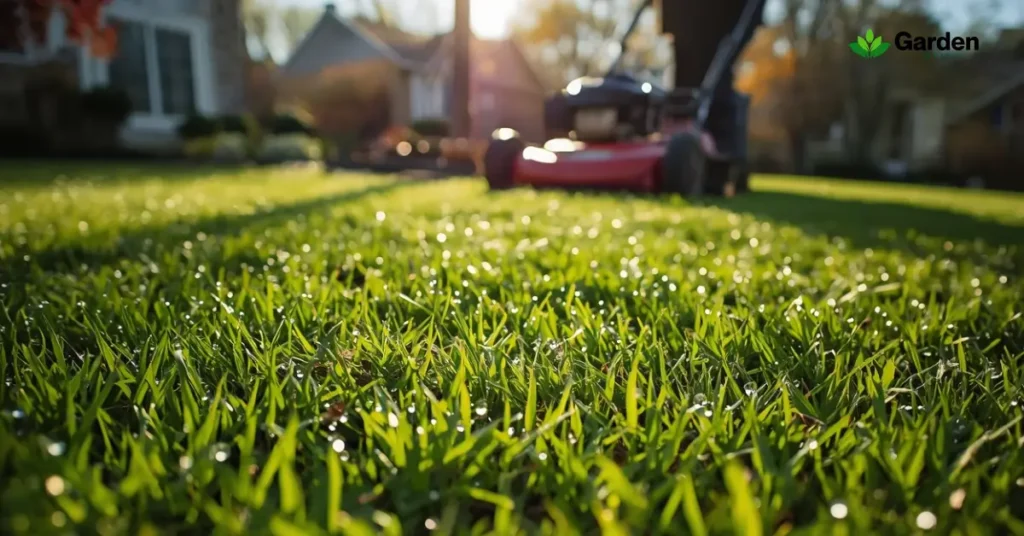
Flymo hover mowers float on a cushion of air, which sounds perfect for wet grass, right? Not quite. While they’re lighter and cause less soil compaction, they still face the same clogging issues as traditional mowers.
The grass box fills up quickly with heavy, wet clippings, and you’ll need to empty it constantly. Additionally, the hovering action means less control on slopes when grass is slippery. The lightweight design that makes Flymo great for maneuverability becomes a liability when you’re fighting slick conditions.
A Flymo works better on dry grass, though it’s certainly less problematic than heavier alternatives when you absolutely must mow damp turf.
Can You Cut Wet Grass in the Morning?
Morning dew is less problematic than rain-soaked grass, but it’s still not ideal. The question really depends on how heavy the dew is and how quickly it’s evaporating.
If you’re determined to mow early, wait until mid-to-late morning when the sun has dried most of the dew. Typically, grass with light morning dew will be safe to mow by 9-10 AM on a sunny day. However, thick dew that makes the grass glisten like it’s been raining requires more patience.
Here’s a pro tip: Do the bounce test. Press down on the grass with your hand. If it springs back up relatively dry, you’re probably okay. If it stays bent and feels soggy, wait longer. You can also perform the footprint test – if your footsteps leave visible marks in the soil, it’s too wet.
How to Mow Wet Grass Without Clogging: A Step-by-Step Guide
Sometimes waiting isn’t an option. Maybe it’s been raining for days, your grass is growing out of control, or you have an HOA deadline breathing down your neck. If you absolutely must mow wet grass, here’s how to do it with minimal damage.
Step 1: Wait for the Right Moment
Even if you can’t wait for completely dry grass, timing matters. The best approach is to wait at least 2-5 hours after light rain. For heavy rainfall, give it a full day if possible.
Check the weather forecast for a break in the rain with some sunshine or wind. These conditions will dry your lawn faster, giving you a better window for mowing.
Step 2: Prepare Your Lawn
Before you start mowing, try removing excess water. This sounds odd, but it works: drag a garden hose across your lawn like a squeegee. You’d be amazed how much water you can push to the edges.
Alternatively, use a wide, soft-bristle broom to sweep standing water toward drainage areas. Every bit of moisture you remove makes the job easier and reduces clogging.
Step 3: Prep Your Mower Properly
This is crucial. First, make sure your mower blades are sharp. Dull blades tear grass instead of cutting it cleanly, and this problem multiplies with wet grass.
Second, clean your mower deck thoroughly before starting. Then apply a mower deck spray or silicone lubricant to create a non-stick coating. This simple step dramatically reduces clogging by preventing wet grass from adhering to the underside of the deck.
Third, raise your mowing height by one or two settings higher than normal. Follow the rule of cutting just one-third of the grass blade length during each mowing session.
This is even more important with wet grass because cutting too much at once guarantees clumping and clogging.
Step 4: Mow Strategically
Here’s where technique matters:
- Go slowly: Rushing guarantees a clogged mower and poor results. Slow and steady wins this race.
- Make shorter passes: Don’t try to cut full-width strips. Overlap your passes slightly to catch flattened grass.
- Use side discharge: Never use the mulching setting or bag attachment initially. Side discharge prevents clogging by immediately expelling clippings.
- Stop frequently: Every few passes, stop and clean out the deck. Yes, it’s tedious, but it prevents major clogs that can damage your engine.
- Avoid sharp turns: Make wide, gradual turns to prevent tearing the grass and creating ruts.
- Mow diagonally on slopes: This provides better stability and reduces the risk of slipping.
Step 5: Post-Mowing Cleanup
After mowing, you’re not done yet. Use a lawn rake to break up any grass clumps that formed. These clumps can smother the grass underneath and create dead patches within days.
Clean your mower immediately. Don’t let wet grass dry on the deck and blades, as this accelerates rust and corrosion. Spray it down with water, dry it thoroughly with a towel, and apply a protective coating like WD-40.
Finally, inspect your lawn for any wheel ruts or compacted areas. If you spot problems, core aeration can help relieve compaction and restore healthy soil structure.
Pros and Cons of Mowing Wet Grass: The Complete Breakdown
Let’s break down the decision with a clear pros and cons analysis so you can make an informed choice:
| Pros | Cons |
|---|---|
| Keeps grass manageable during extended rainy periods | Uneven, poor-quality cut that looks unprofessional and may require re-mowing |
| Prevents overgrowth that can be harder to cut later and may damage grass crowns | Increased disease risk from torn grass blades providing pathogen entry points |
| Maintains appearance when you can’t wait for dry conditions | Potential mower damage from clogging, strain, and moisture-related corrosion |
| Better than letting grass get extremely tall, according to Purdue University research | Safety hazards from slippery conditions and electrical risks |
| Allows you to stay on schedule with regular lawn maintenance | Soil compaction and rutting that damages lawn health and appearance |
| Time-consuming cleanup and maintenance afterward | |
| Spreads disease spores across your entire lawn via contaminated equipment | |
| Reduced fuel efficiency as your mower works harder | |
| Grass clumping that smothers patches and blocks sunlight |
The verdict? Mow wet grass only when absolutely necessary, and follow proper precautions when you do. The cons significantly outweigh the pros in most situations.
Creating a Well-Drained Lawn for Future Success
Want to avoid the wet grass dilemma altogether? Focus on improving your lawn’s drainage system.
Poor drainage often results from:
- Compacted soil from heavy foot traffic or previous wet mowing
- Heavy clay soil that retains excessive moisture
- Underdeveloped root systems that don’t absorb water effectively
- Poor grading that creates low spots where water pools
The solution? Regular core aeration removes small plugs of soil (2-4 inches deep), breaking up compaction and improving water infiltration. Do this annually in fall or spring, especially if you have clay soil or high-traffic areas.
Consider topdressing with compost after aeration to improve soil structure. This adds organic matter that helps with both drainage and moisture retention – giving you a more balanced lawn that dries faster after rain but doesn’t suffer during dry spells.
Best Grass Types for Wet Climates
Consider choosing grass varieties that tolerate wet conditions better, such as:
- Tall fescue: Excellent for moist climates with deep roots that handle soggy conditions
- Perennial ryegrass: Handles wet weather well and establishes quickly
- Bermuda grass: Withstands seasonal heavy rain (needs full sun)
- Buffalo grass: Hardy in various conditions including periodic wet periods
- Fine fescue: Tolerates shade and moisture well
For particularly wet regions, look for specialty seed mixes formulated for wet soil and saturated areas. These often combine multiple grass species for better overall performance.
The Bottom Line: When to Wait and When to Mow
So, can you cut wet grass? Yes, you can – but you really shouldn’t unless circumstances force your hand.
The ideal scenario is waiting until your grass is completely dry. This gives you the best cut quality, protects your lawn health, preserves your mower’s lifespan, and keeps you safe from accidents.
However, if you’re facing extended rainy weather or urgent deadlines, you now know how to mow wet grass while minimizing damage. Remember these key points:
✓ Use a powerful gas mower with sharp blades
✓ Raise the cutting level to help minimize strain
✓ Go slowly and make overlapping passes
✓ Use side discharge to prevent clogging
✓ Clean your equipment thoroughly afterward
✓ Rake up grass clumps to prevent smothering
✓ Check for soil damage and aerate if needed
Better yet, consider investing in a robotic lawn mower designed for all-weather operation. These high-tech devices can handle light rain and damp conditions without the safety concerns of traditional mowers. They make frequent, small cuts that prevent grass from becoming overgrown, even during rainy periods. Models like the Husqvarna Automower are weather-resistant and include features like:
- Weather timers that adjust cutting schedules based on conditions
- Lightweight design that won’t compact wet soil
- GPS-assisted navigation for precise cutting patterns
- Remote control via smartphone apps
- Tilt and lift sensors for safety
Whatever approach you choose, remember that patience usually pays off. Waiting an extra day for dry grass saves you time, protects your investment in lawn equipment, and produces results you’ll actually be proud of.
Your lawn is an investment in your home’s curb appeal and property value. Treat it right by mowing under the best conditions possible, and it’ll reward you with lush, healthy growth that makes your neighbors jealous.
Now get out there and make your lawn look amazing – just maybe check the weather forecast first!
Frequently Asked Questions:
Why should you not cut grass when it’s wet?
You should avoid cutting grass when it’s wet because wet blades bend instead of standing upright, leading to an uneven cut. Wet mowing also increases the risk of soil compaction, lawn disease, and mower clogging. Additionally, slippery conditions raise the chances of accidents, especially on slopes.
How soon after rain can I mow?
In most cases, you should wait at least 24 hours after rain before mowing. Light rain or morning dew may dry in 2–4 hours, but heavy rainfall needs more time. A good test is the footprint test—if your footsteps leave marks in the soil, the lawn is still too wet.
Can I cut the grass when it is damp?
Yes, slightly damp grass can be cut if necessary, but soaked or muddy grass should be avoided. If the grass feels cool but not wet to the touch and the soil is firm, mowing is usually safe with proper precautions like raising the mower height.
What’s the best way to cut wet grass?
The best way to cut wet grass is to:
Raise the mower blade height
Mow slowly
Use sharp blades
Clean the mower deck often
Avoid sharp turns
These steps help prevent clumping, tearing, and lawn damage.
Why do landscapers cut grass in the rain?
Professional landscapers sometimes mow in the rain due to tight schedules, large workloads, or long rainy seasons. They use commercial-grade mowers, sharp blades, and specific techniques to minimize damage. However, even professionals prefer dry conditions whenever possible.
Is it okay to cut grass with morning dew?
Yes, mowing with light morning dew is usually okay if the grass dries quickly and the soil remains firm. However, if dew is heavy and causes clumping or slippery conditions, it’s better to wait until late morning.
Does grass have to be dry to mow?
Ideally, yes. Dry grass produces the cleanest cut, reduces mower strain, and protects lawn health. While damp grass can be cut in emergencies, dry conditions are always best for long-term lawn care.
When not to cut grass?
You should avoid cutting grass:
During or right after heavy rain
When the soil is muddy
On steep, slippery slopes
When grass is frost-covered
When the lawn shows signs of disease
Cutting under these conditions can seriously damage your lawn.